Seven FIFA matches, five million tickets sold globally, and Houston hotels are sitting at 50% occupancy on game nights. Here’s what happened.
When Houston landed seven FIFA World Cup 2026 matches, the hospitality industry made plans accordingly. Hotels renovated, hired staff, and set premium rates. City leaders called it “104 Super Bowls.” The expectation was a summer that would redefine Houston’s tourism revenue.
That expectation hasn’t materialized.
The numbers
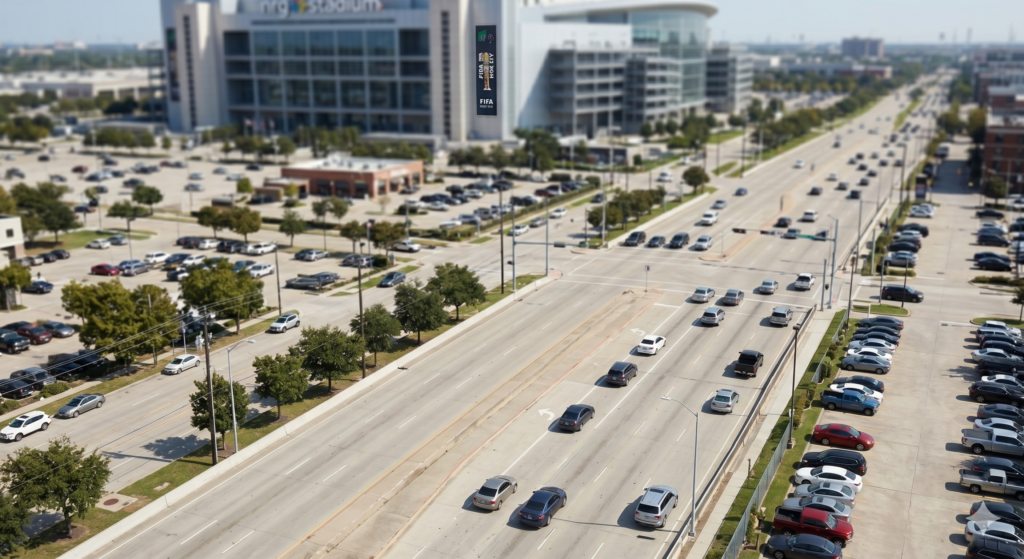
Houston First Corporation reported hotel bookings running only 9% above typical June levels as of early May — a modest bump more consistent with a corporate convention than a World Cup. The Lancaster Hotel’s director of sales was direct about it: “We were expecting full occupancy, thinking we would be sold out by now. We are around 50% for the game nights.” The Wanderstay Boutique Hotel near NRG Stadium is registering 45% occupancy for the tournament period — down from 70% at the same point last year. The American Hotel and Lodging Association reported that 70% of Houston hoteliers said bookings came in below expectations.
Why it happened
Three things went wrong simultaneously.
FIFA reserved large room blocks across host cities, which inflated early demand signals and pushed hotels to set premium rates. Then FIFA canceled roughly 70% of those blocks, releasing rooms back into a market that had already priced itself above what casual travelers were willing to pay.
International fans — the ones who travel specifically to follow their national teams — faced a US visa process that was slow and expensive. Many were denied or couldn’t plan in time. FIFA sold over five million tickets globally but the visa system couldn’t accommodate the implied volume of international visitors, and fans who could travel to North America chose cheaper Mexican host cities instead — Guadalajara is running 73% occupancy versus Houston’s 50%.
Fans who did book US travel increasingly opted for budget strategies — staying 45 minutes outside the city, mixing hotels with Airbnb, and targeting $75 per night rather than downtown Houston’s $133+ average.
What it actually means
The shortfall is real but the story isn’t all bad. Downtown Houston’s hotel submarket specifically is up 38% for June and 63% for July versus last year — meaningful numbers even if they fall short of original projections. The Fan Festival in EaDo is driving consistent foot traffic and spending. And the infrastructure improvements — transit upgrades, the Green Corridor, EaDo’s urban realm overhaul — are permanent regardless of hotel occupancy rates.
As CoStar’s national director of hospitality analytics put it: “This is more of a rate event than an occupancy event.” The rooms filling are commanding higher rates — just not as many of them as anyone planned for.
Houston’s hotels were sold a version of the World Cup that the tournament didn’t deliver. The city still got a global spotlight, a permanent infrastructure upgrade, and an EaDo corridor that will benefit long after the final whistle. But the hospitality industry is entitled to say the projections were wrong — because they were.